


Shaping the Future Together: The Grande Alliance Studies
Project Overview
Better Planning the Infrastructure
La Grande Alliance (LGA) was a Creeled, longhorizon framework to connect, develop, and protect Eeyou Istchee through a coordinated approach to transportation, protection, and community wellbeing. Established by a Memorandum of Understanding between the Cree Nation Government and the Government of Québec, LGA’s feasibility studies examined roads, rail, port, and related services with community participation at the core. The objective was to help make development more predictable and sustainable, so Cree communities can occupy a more active role in planning and eventually conducting development of transportation infrastructure.
The studies, managed by the Cree Development Corporation (CDC), produced technical, socioenvironmental, market and risk data, alongside extensive engagement with Cree land users, communities and regional partners. The study reports are public and document how LGA seeks to balance new connectivity with protection, aligning with Cree values and the environmental assessment framework.
How CDC made it happen
As the project manager for La Grande Alliance’s studies phase, CDC focused on putting communities first. By coordinating technical work and building a robust engagement model, CDC ensured that Cree voices shaped every step of the process, from planning to decision-making, including:
- Leading the studies and governance: The CDC managed the Feasibility Studies, coordinating multidisciplinary technical work, socioenvironmental baselines, market and risk analysis, and creating a sequenced, three-phase roadmap for decision-makers.
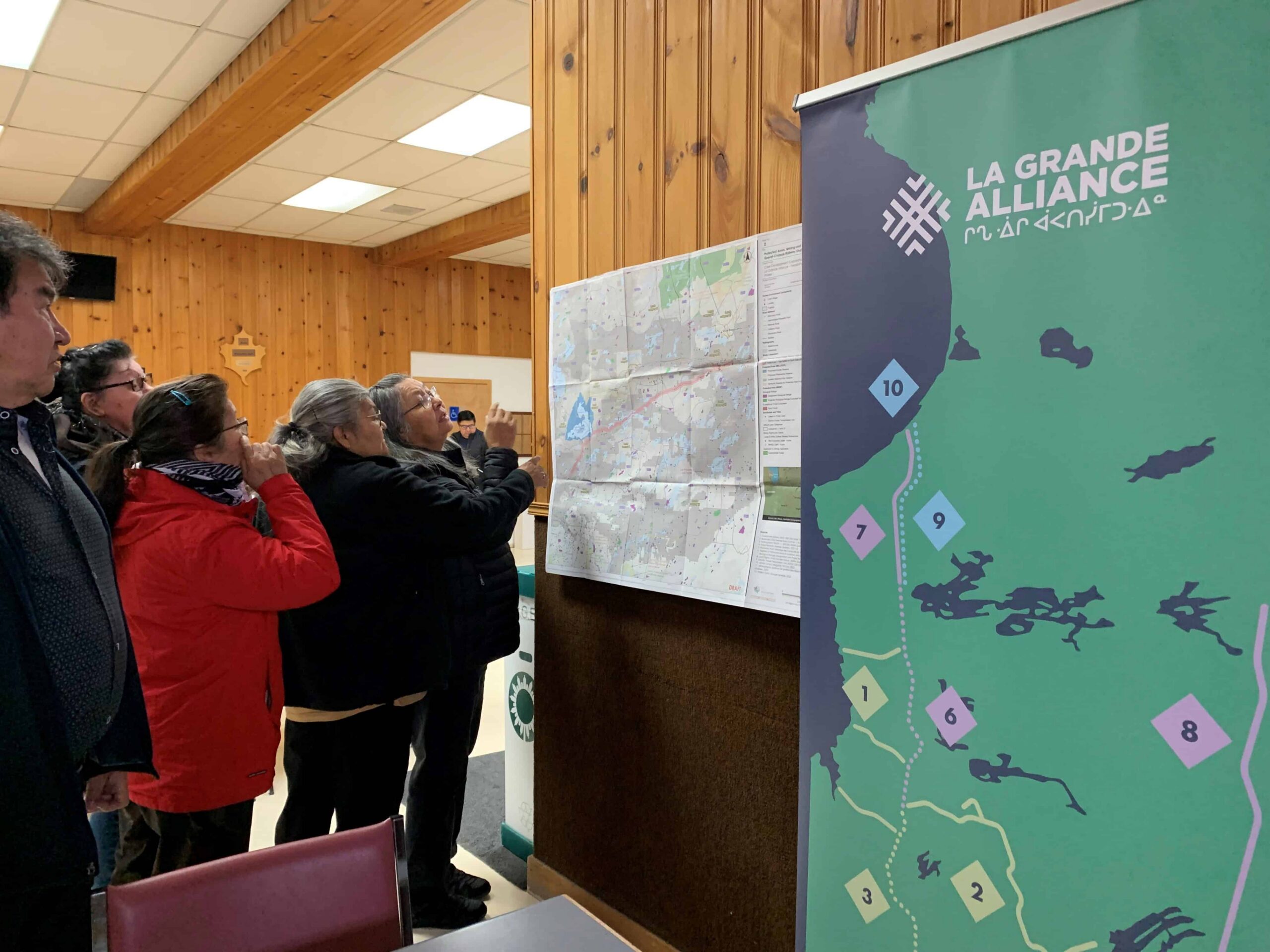
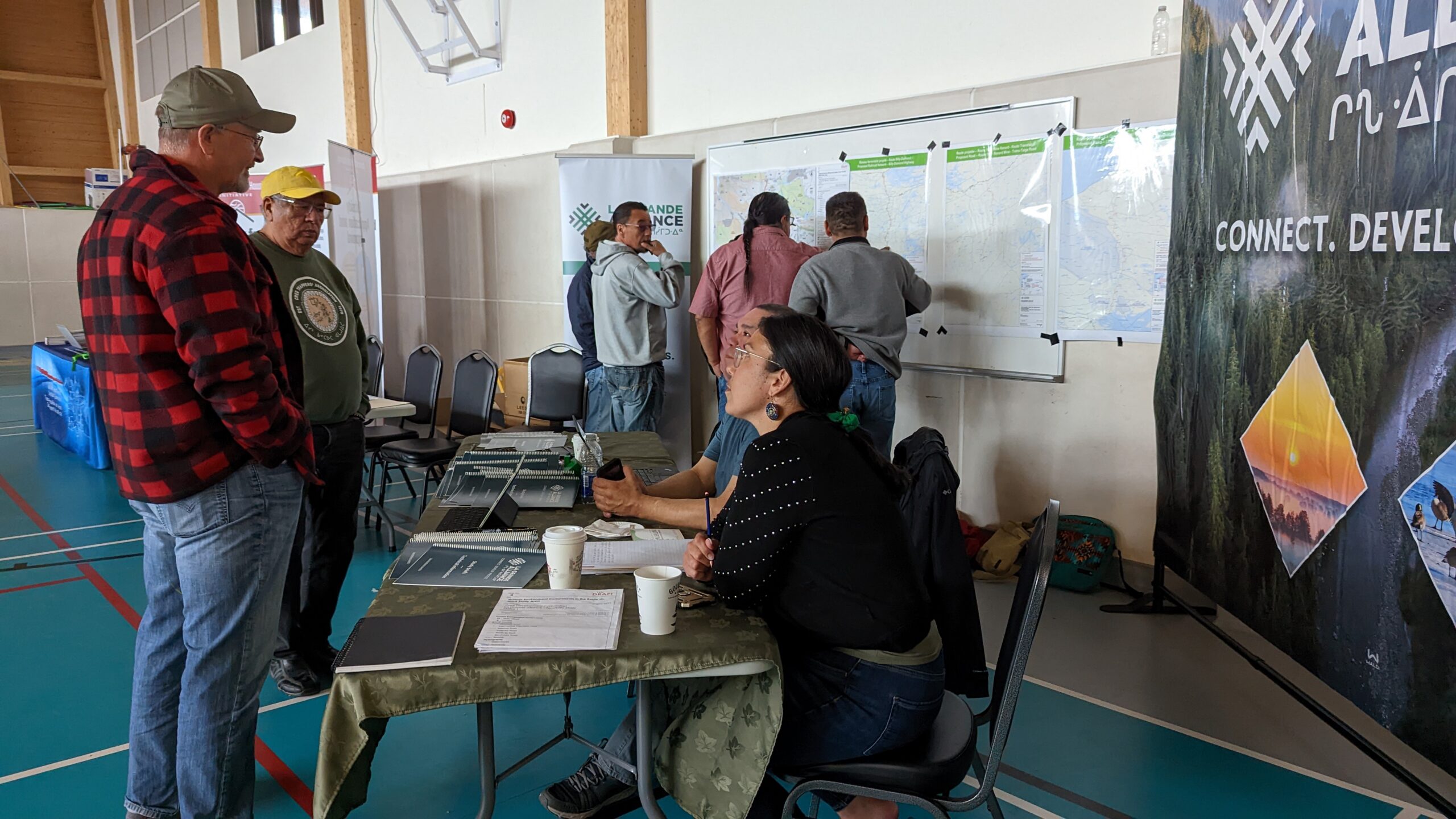
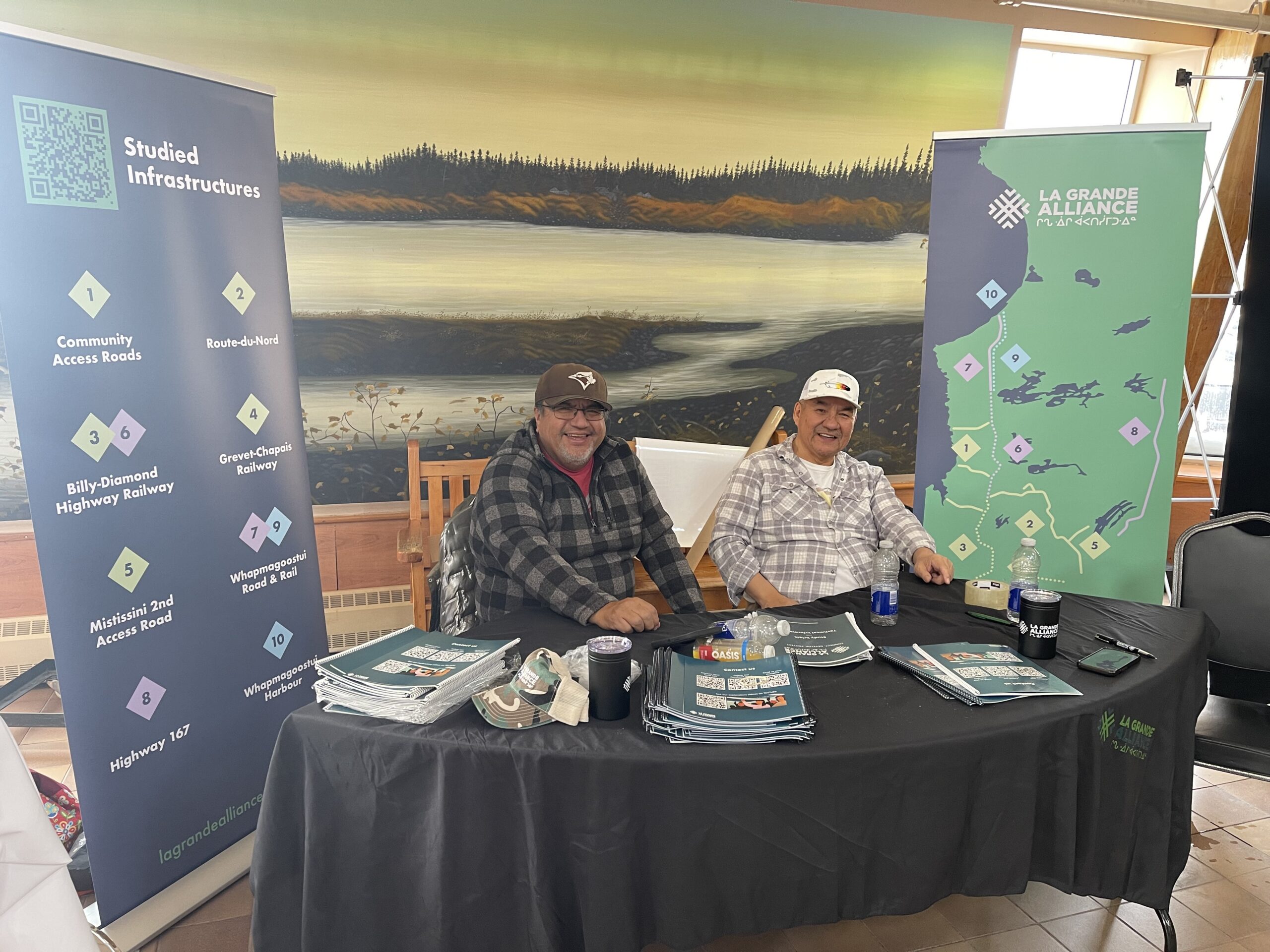
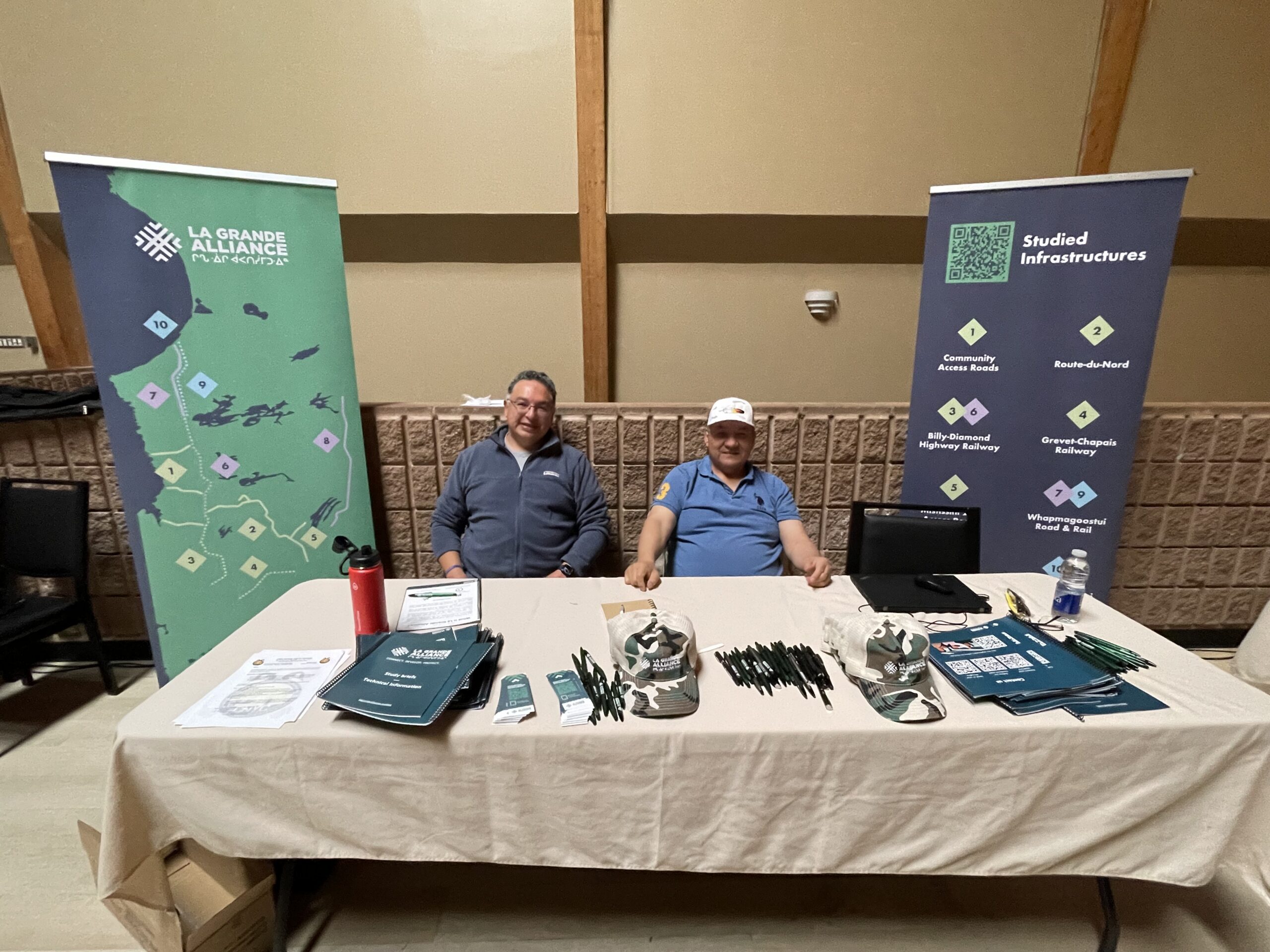
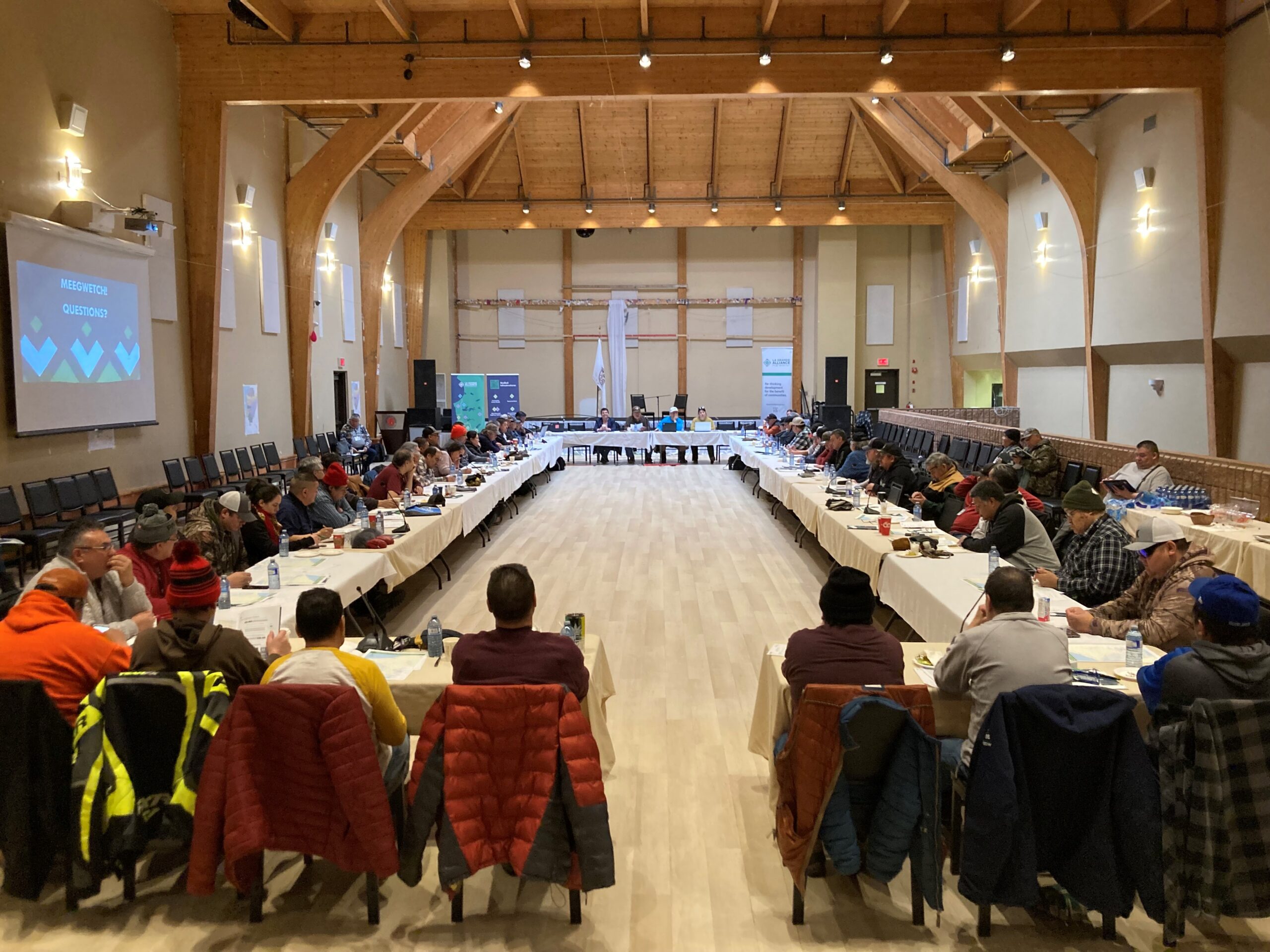
- Building a community-first engagement model: CDC stood up a network of Community Information Officers across all 10 Cree communities, hosted assemblies and information sessions, and documented input via structured tools, to ensure that land users, tallymen, Elders, youth and local organizations were informed on alignments, pace and safeguards from the outset and throughout the studies.
- Making results accessible: To keep dialogue open and transparent, the team launched an integrated communications program (website, newsletters, radio shows, maps, and in-community presentations) reaching thousands of residents and tallymen from more than 100 traplines with study updates and findings.
- Framing decisions around protection as well as access: CDC’s approach paired corridor planning with conservation logic: identify where to protect first (culture, habitat, water), then steer any contemplated infrastructure toward areas communities deem compatible, in a way flipping the usual order of developing, then mitigating.
- Equipping leaders with evidence: The program assembled over 10,000 pages across phases (including technical designs, market demand, socioenvironmental effects, and risk/mitigation options) so Chiefs and Councils, regional bodies, and Québec counterparts can evaluate options with rigor before any proponent-led project is even considered.
Unlocking New Possibilities
La Grande Alliance isn’t just about infrastructure; it’s about creating new possibilities. The project lays the groundwork for safer travel, stronger local capacity, and a future where development and protection go hand in hand, all guided by Cree priorities.
- Predictability for communities and land users: A shared roadmap reduces uncertainty about where development should and shouldn’t occur, helping protect harvesting areas and cultural sites while planning safer, more reliable access for communities.
- Safer, smarter mobility: If pursued, corridor upgrades and potential rail connections would improve safety and cut costs for people and goods, reduce pressure on long road hauls, and support medevac, education, and everyday travel across Eeyou Istchee.
- Local capacity and youth pathways: The engagement model and study work create new technical, administrative, and stewardship roles to strengthen local capacity and opening pathways for Cree youth.
- A model for balanced decisions: By embedding Cree knowledge and early-stage socioenvironmental analysis, LGA offers a repeatable way to weigh economic opportunities, climate resilience, and cumulative effects so future choices align with Cree priorities.
“La Grande Alliance is about rethinking how we plan for the future, by putting community input first, before any designs or decisions are made. By establishing this new way of working, we ensure every step reflects Cree priorities and knowledge.”
— Clarke Shecapio, President and Chief Executive Officer, Cree Development Corporation
Have a project in mind?
Connect with us to ensure your work respects the land, community, and values of Eeyou Istchee.